
How to Travel Iceland on a Budget: 21 Smart Money-Saving Tips
For a bigger-picture overview of must-see stops, also check out these incredible places to visit in Iceland on your trip, including the Golden Circle, black-sand beaches, and glacier lagoons.
Why Is Iceland So Expensive?
Iceland is pricey mainly because it imports a lot of goods, pays high wages, and has a relatively small tourism season concentrated in a few months. Once you understand where the money goes, it becomes much easier to travel Iceland on a budget by targeting your biggest expenses.
- Accommodation and food are two of the largest daily costs for most visitors.
- Tours and activities add up quickly, especially glacier hikes, ice caves, and northern lights excursions.
- Transportation (car rental, fuel, or tours) is another major budget line, especially if you plan to drive the Ring Road.
Average Daily Budget for Iceland
What you spend per day will depend on your travel style, season, and how far you move around the country.
- Budget traveler (hostels, self-catering, hitchhiking/camping): around 100–150 USD per day.
- Mid-range traveler (guesthouses, car rental, some paid tours): around 200–300 USD per day.
- Comfort traveler (hotels, frequent tours, dining out): 300+ USD per day.
If your goal is to travel Iceland on a budget, aim for the low to mid-range by mixing self-guided days with a few carefully chosen “wow” experiences like a glacier hike or ice cave tour.
Best Time to Visit Iceland on a Budget
Shoulder season sweet spot
Traveling Iceland on a budget is much easier if you avoid peak summer and major holidays.
- Late April to early June: More daylight, milder weather, lower prices than July–August.
- September to early October: Good for autumn colors and fewer crowds, with a chance to see the northern lights.
Pros and cons of winter
Winter can also be cheaper, but you need to be flexible.
- Pros: Lower accommodation prices, fewer tourists, great for northern lights and ice caves.
- Cons: Short daylight hours, possible road closures, and higher risk of weather-related changes.
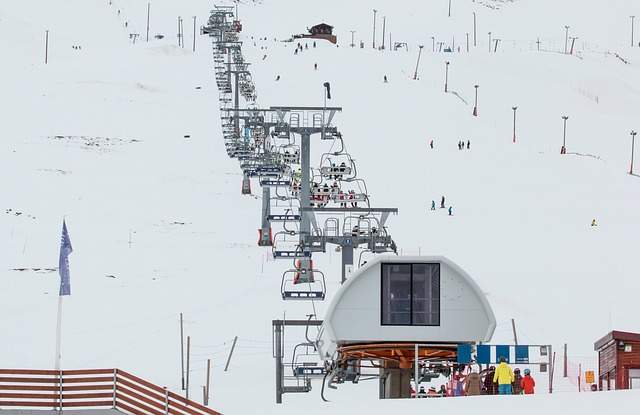
Fun in Iceland on a budget
How to Find Cheap Flights to Iceland
Getting to Iceland is often less expensive than people assume, which helps you travel Iceland on a budget from the start.
- Fly midweek instead of weekends, and use flexible date search tools to spot the cheapest days.
- Look at alternative airports near your home base, and compare prices into Keflavík International from multiple hubs.
- Consider flying carry-on only to avoid baggage fees and pack layers you can re-wear during the trip.
Budget-Friendly Transport in Iceland
Is renting a car cheaper than tours?
For most travelers, renting a car is one of the best ways to travel Iceland on a budget, especially if you’re two or more people sharing costs.
- Daily car hire can be reasonable when split between multiple people, and it often undercuts booking several day tours.
- You save on airport transfers and can visit popular areas like the Golden Circle, South Coast, and Snæfellsnes Peninsula on your own schedule.
To keep your car rental budget-friendly:
- Book early, especially for summer dates, and compare local and international rental companies.
- Opt for a smaller, fuel-efficient vehicle unless you absolutely need a 4×4 for winter or highland roads.
- Decline extras you don’t really need (GPS, extra drivers) and use offline maps instead.
Public transport and buses
Iceland’s public transport network is limited but can work if you plan a slower, region-focused trip.
- Intercity buses connect major towns, though schedules are less frequent outside summer.
- You can look for regional bus passes that bundle routes in certain parts of the country for a fixed price.
Hitchhiking and ridesharing
Some visitors hitchhike in Iceland to cut costs, especially solo travelers and backpackers.
- It is relatively common in rural areas and can be safe if you use common sense and avoid bad weather.
- Always have a backup plan (nearby accommodation, bus schedules) and pack warm, visible clothing.
Budget Accommodation in Iceland
Where to stay to save money
Accommodation will eat a large share of your budget, so staying flexible is key if you’re trying to travel Iceland on a budget.
- Hostels: Dorm rooms are usually the cheapest option in Reykjavík and larger towns.
- Guesthouses and farm stays: Often more affordable than full-service hotels and give you a local experience.
- Camping: A huge money-saver in summer if you have gear and are comfortable with basic facilities.
Money-saving tips for overnights
- Book popular areas (Reykjavík, South Coast, Golden Circle) well in advance in peak season.
- Look for accommodations that include breakfast to reduce food costs.
- Consider staying slightly outside major tourist hubs where prices drop but driving times are still reasonable.
How to Eat Cheap in Iceland
Food can be surprisingly expensive, but there are several ways to travel Iceland on a budget without living on instant noodles.
Self-catering and groceries
- Shop at budget supermarket chains (like Kronan and Bonus) and cook simple meals in hostel or guesthouse kitchens.
- Stock up on snacks, fruit, and sandwich ingredients before long driving days to avoid pricey roadside stops.
- Refill a reusable water bottle instead of buying bottled water, as tap water is safe and excellent quality.
Eating out strategically
- Try local hot dog stands and simple takeaway spots for a cheap taste of Icelandic food.
- Look for lunch specials in Reykjavík rather than full evening meals at sit-down restaurants.
- If breakfast is included at your accommodation, eat well in the morning and keep lunch/light snacks cheap.
Free and Low-Cost Things to Do in Iceland
One of the biggest wins when you travel Iceland on a budget is that many of the country’s headline attractions are completely free to see.
Free nature highlights
- Waterfalls: Iconic sights like Gullfoss, Seljalandsfoss, and Skógafoss are free to admire (you may only pay for parking in some spots).
- Black-sand beaches: Famous beaches like Reynisfjara and other coastal viewpoints are free to access, though parking may have a small fee.
- National parks and landscapes: Exploring areas like Thingvellir National Park and other scenic viewpoints usually costs nothing apart from any parking charges.
Cheap activities and passes
- Use municipal swimming pools and hot tubs instead of expensive luxury spas; they’re a huge part of local culture and very budget-friendly.
- In Reykjavík, consider a city card that bundles museum entries, pools, and public transport for a fixed price over 24–72 hours.
Tours vs Self-Guided: Where to Splurge
Even when you travel Iceland on a budget, some experiences are worth the money.
When a tour makes sense
- Glacier hikes and ice cave tours require proper gear and qualified guides for safety.
- Snorkeling or diving in Silfra, super jeep tours, and some northern lights excursions are best done with a reputable operator.
When to go self-guided
- The Golden Circle, South Coast waterfalls, and many viewpoints can easily be done on your own with a rental car.
- City sightseeing in Reykjavík is straightforward and walkable, especially if you use a city card.
Example 5–7 Day Budget Itinerary
Here’s a simple outline you can adapt if you want to travel Iceland on a budget without trying to see everything at once.
- Day 1–2: Reykjavík and Golden Circle – Explore the city on foot, use a city card, and self-drive the Golden Circle.
- Day 3–4: South Coast – Visit waterfalls, black-sand beaches, and consider one paid activity like a glacier hike.
- Day 5–7: Snæfellsnes Peninsula or additional South Coast days – Focus on hiking, viewpoints, and free nature spots, with budget guesthouses or camping.
By concentrating on one or two regions, you cut driving distances, save on fuel, and avoid constantly moving accommodation.
Practical Money-Saving Tips for Iceland
To truly travel Iceland on a budget, combine small daily savings with bigger strategic choices.
- Travel in shoulder season instead of peak summer to lower costs on flights and stays.
- Share car rental and accommodation with friends or other travelers where possible.
- Pack smart layers, waterproof gear, and sturdy shoes from home to avoid last-minute purchases in Iceland.
- Use free navigation apps with offline maps instead of paying for GPS add-ons.
- Pay attention to parking rules and fees to avoid fines that can quickly blow your budget.
With thoughtful planning, you can keep costs under control and still enjoy dramatic waterfalls, geothermal wonders, and remote coastal landscapes that make Iceland so special.